
Trauma Therapy
in Castle Rock, CO
How Trauma Lives in the Body
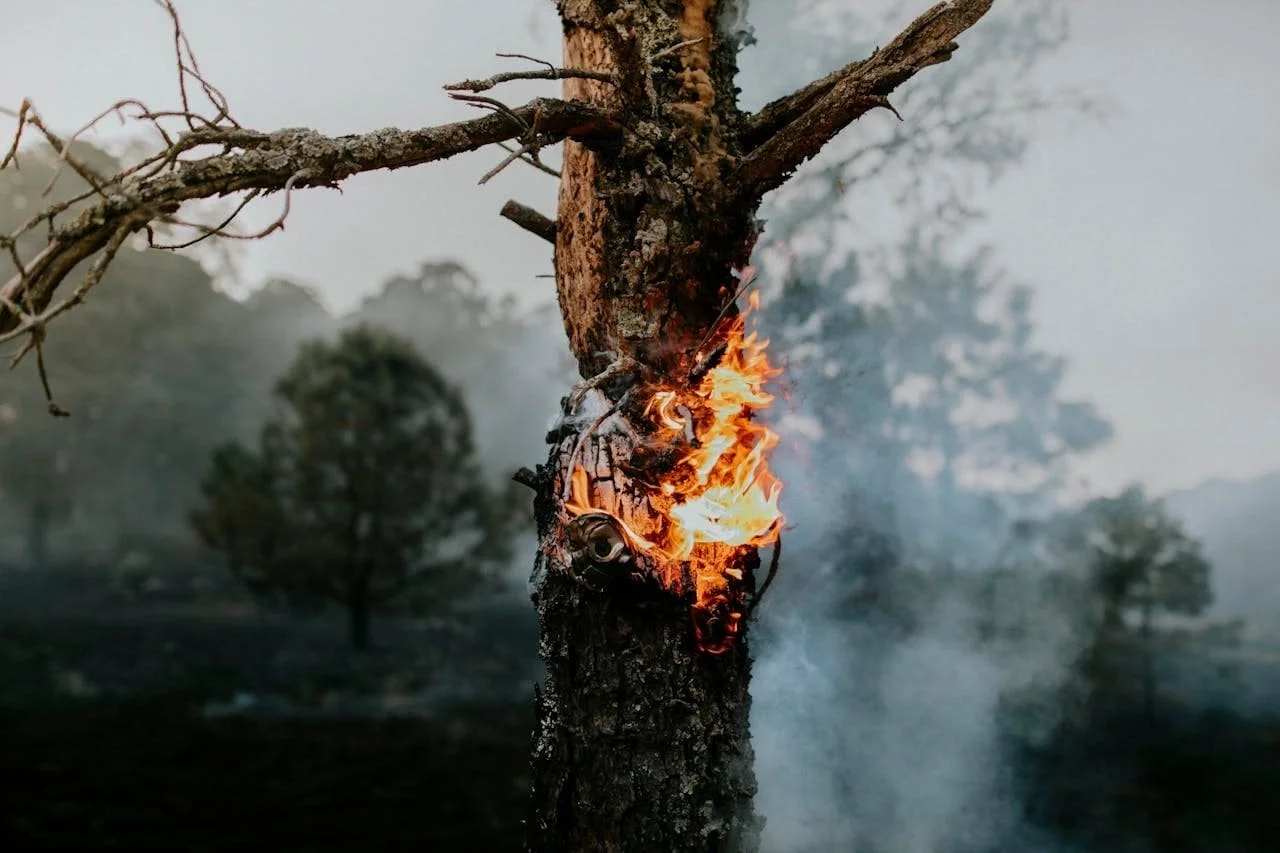
Trauma is not only something that lives in your memories, it also lives in your body.
When something distressing or overwhelming happens, your nervous system responds instinctively to protect you. You may fight, flee, freeze, or shut down. These responses are natural and adaptive in the moment, but sometimes the body holds onto that state even after the danger is gone.
This can show up as:
● Chronic tension in the body
● Difficulty relaxing or feeling safe
● Disrupted sleep
● Persistent unease or restlessness
You might notice that certain situations, environments, or even subtle reminders trigger strong emotional or physical reactions that don’t seem to match what’s happening in the present. This is because your body is responding as though the past is still occurring.
Trauma can become stored as a felt experience—something remembered not just through thoughts, but through sensations, emotions, and patterns of response.
Have you noticed that something from your past still feels present in your body or emotions, even though you know it’s over?
Trauma can shape the way you experience yourself, others, and the world around you. Whether it stems from a single overwhelming event or a series of difficult experiences over time, trauma has a way of lingering, sometimes long after the event itself has passed.
If you’ve found yourself feeling stuck, on edge, disconnected, or not quite like yourself, you are not alone, and healing is possible.
Symptoms of Trauma
and PTSD
Trauma and PTSD can show up in a wide range of emotional, physical, and behavioral symptoms.
You might experience:
● Intrusive thoughts or memories that feel difficult to control
● Nightmares or distressing dreams
● A sense of reliving what happened
● Heightened anxiety or irritability
● A constant feeling of being on edge or “on alert”
● Avoidance of certain places, people, or conversations
● Emotional numbness or disconnection
● Loss of interest in things that once felt meaningful
● Trouble sleeping, fatigue, or difficulty concentrating
● Muscle tension or physical restlessness
These responses are not signs of weakness. They are your mind and body’s way of trying to protect you, even if they no longer feel helpful.


Why Trauma Can Show Up Later
One of the most confusing aspects of trauma is that its effects don’t always appear right away.
You may have coped well at the time or pushed through what happened, only to find that months or even years later you begin to feel overwhelmed, anxious, or disconnected. Life transitions, stress, or new challenges can bring unresolved experiences closer to the surface. This does not mean you’ve done something wrong. It often means your system is finally ready to begin processing what it could not at the time.
Healing Is Possible

The good news is that trauma is treatable, and people can heal.
Healing does not mean erasing what happened or pretending it didn’t matter. Instead, it involves helping your mind and body process the experience so it no longer feels overwhelming or constantly present.
Over time, the intensity of your reactions can decrease, and you can begin to feel more:
● Grounded
● Present
● Emotionally regulated
● In control of your responses
Healing is not about forgetting. It is about changing your relationship to what happened.
In therapy, we work together to create a space where you feel safe enough to begin this process at your own pace.
A key part of trauma therapy is building awareness of how your body responds and learning ways to regulate your nervous system.
We also gently explore how your experiences have shaped your thoughts, emotions, and behaviors. Rather than reliving trauma in an overwhelming way, the focus is on creating enough safety and support so you can approach these experiences with resilience and understanding.
Healing Without Losing Yourself
A common concern is whether healing will change who you are in ways you do not want. The answer is no. You will not lose the parts of yourself that matter to you.
In fact, trauma therapy often helps you reconnect with those parts more fully.
Qualities like strength, sensitivity, creativity, empathy, depth of feeling are not erased through healing. Instead, they often become more accessible when they are no longer burdened by survival responses.
Healing from trauma is not about becoming someone entirely different—it is about becoming more fully yourself. It allows you to move through life with greater choice, rather than being driven by past experiences. You may still remember what happened, but it no longer holds the same emotional control over your daily life.
The Healing Process Looks Different for Everyone
Some people notice gradual shifts. Others experience more noticeable changes as they build new skills and understanding. What matters most is that you are not alone in it. With the right support, it is possible to move from survival into a greater sense of ease, connection, and self-understanding.
“How do I know if what I experienced ‘counts’ as trauma?”
Trauma is not defined only by the event itself, but by how it impacted you. If something left you feeling overwhelmed, unsafe, or changed in a lasting way, it matters. You do not need to compare your experience to anyone else’s to deserve support.
“Will I have to talk about everything that happened right away?”
No. Therapy moves at a pace that feels manageable for you. Building safety and trust comes first. You are always in control of what you share and when, and there is no expectation to revisit anything before you feel ready.
“How long does trauma therapy take?”
The length of therapy varies depending on your goals, history, and needs. Some people benefit from shorter-term work focused on specific symptoms, while others prefer longer-term support for deeper healing. We will regularly check in on progress and adjust the process so it continues to feel supportive and aligned with you.

It’s Time to Heal
If you’re ready, reach out to me today!
Recent Posts